How Telegraphic Style Works
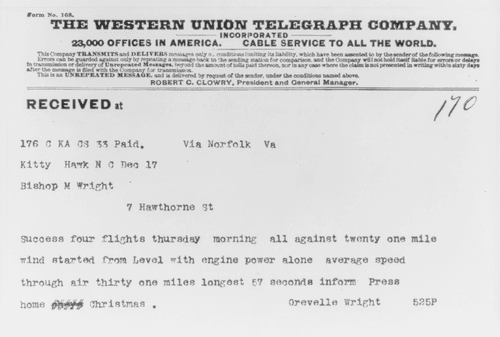
Before modern instant messaging, sending a physical telegraph message was expensive because billing was strictly per word. To minimize cost, senders stripped filler words, omitted standard punctuation, and used STOP to separate sentences. Experience how concise communication once was.
Select a Historical Scenario Example
Click to auto-fill formHistorical Telegraph Billing & Length Rules
Unlike modern character limits, telegrams were billed strictly per word. Punctuation marks were billed as separate full words, which led to using STOP instead of periods.
Plain language words were limited to a maximum of 15 characters per word. Coded/cipher words were strictly limited to 10 characters per word.
Due to high costs, typical family or business telegrams averaged only 10 to 15 words (~70 to 80 total characters). Extra words were permitted at additional charge per word.
Reusable AI Prompt
Copy this prompt to instruct ChatGPT/Claude to condense any lengthy text into telegraphic style.
Condense the following text into authentic 1920s Western Union Telegram style:

Rules:
1. Strip non-essential filler words (a, an, the, is, are, am, very, just).
2. Capitalize all letters.
3. Replace all sentence-ending periods and standard punctuation marks with the word "STOP".
4. Maintain essential nouns, verbs, dates, times, and key facts.
5. Maximize brevity to reduce word count while preserving full core meaning.

Text to condense:
"[Insert your text here]"